




The Botanical History of Erythroxylum coca
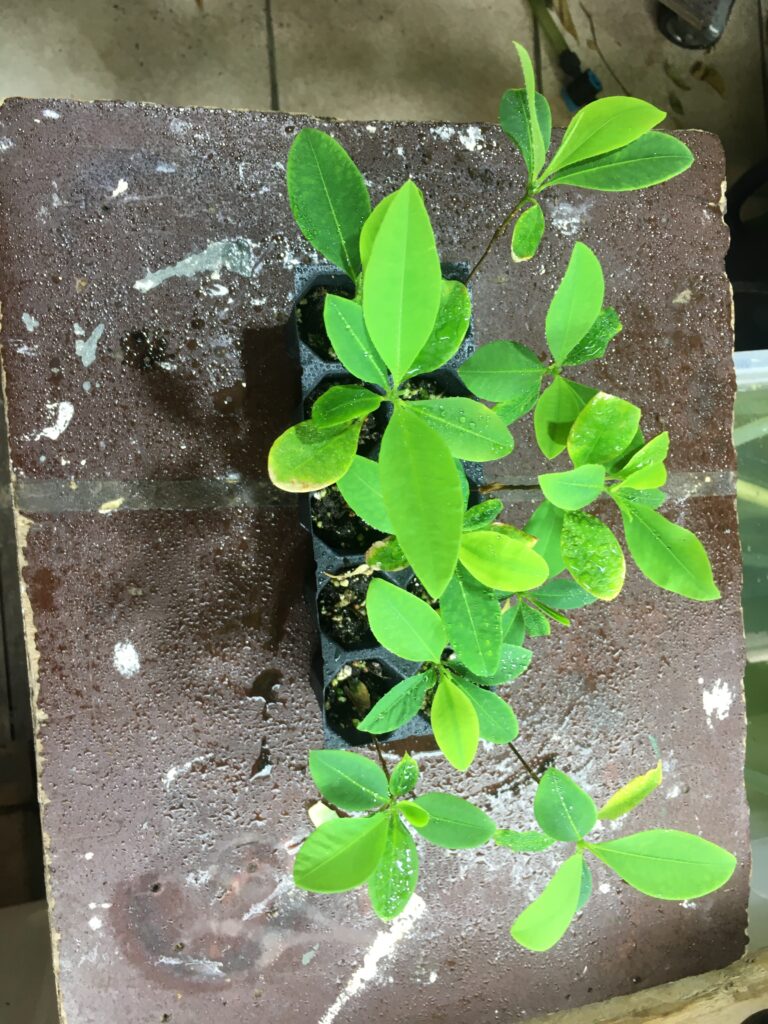
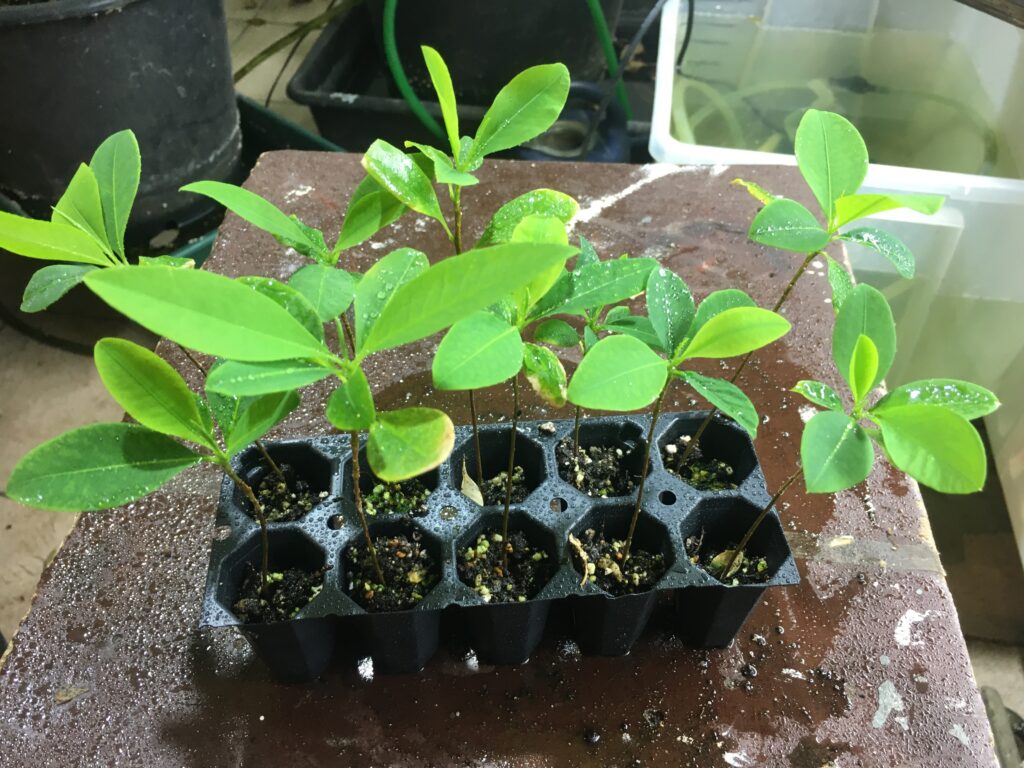
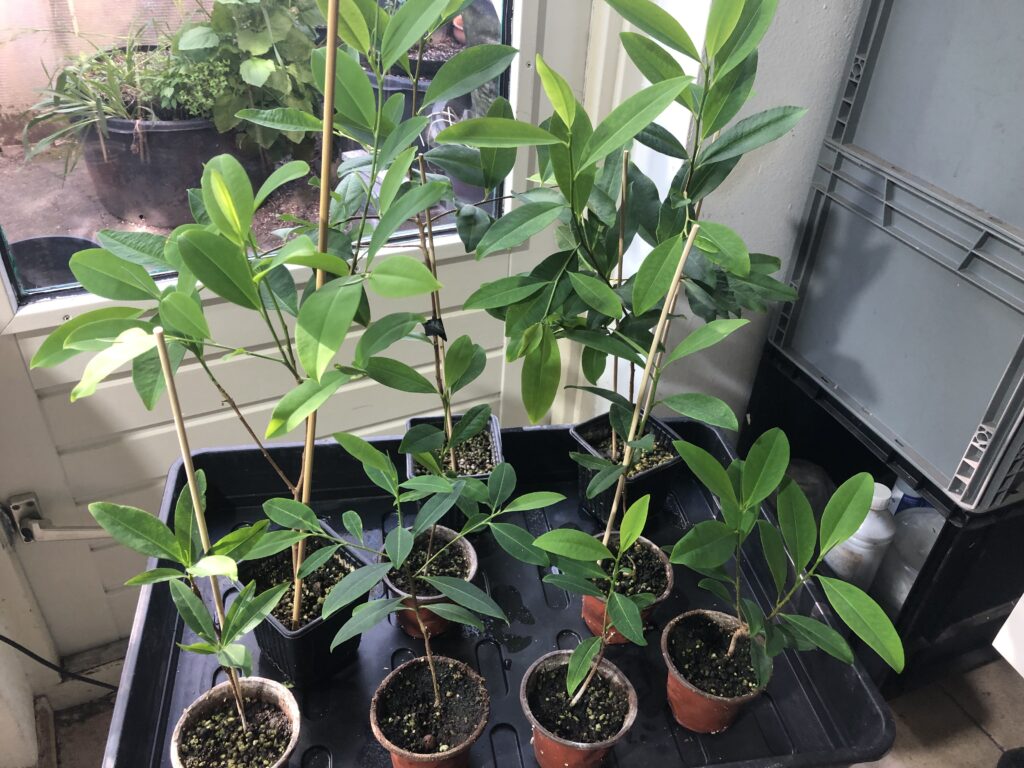
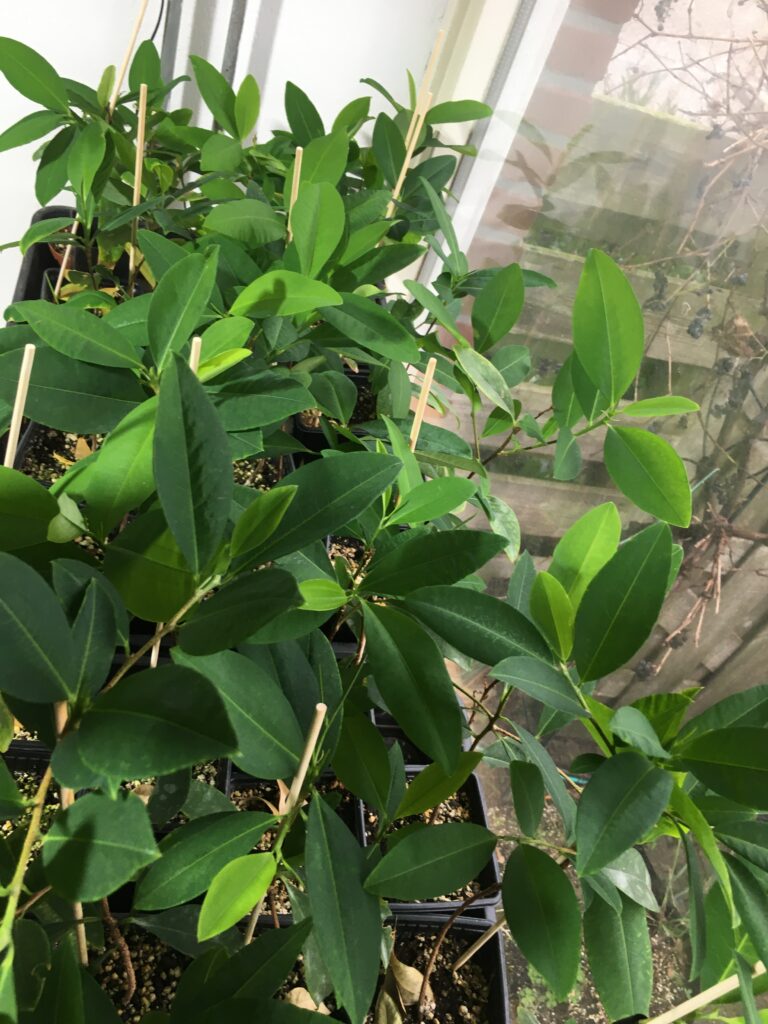
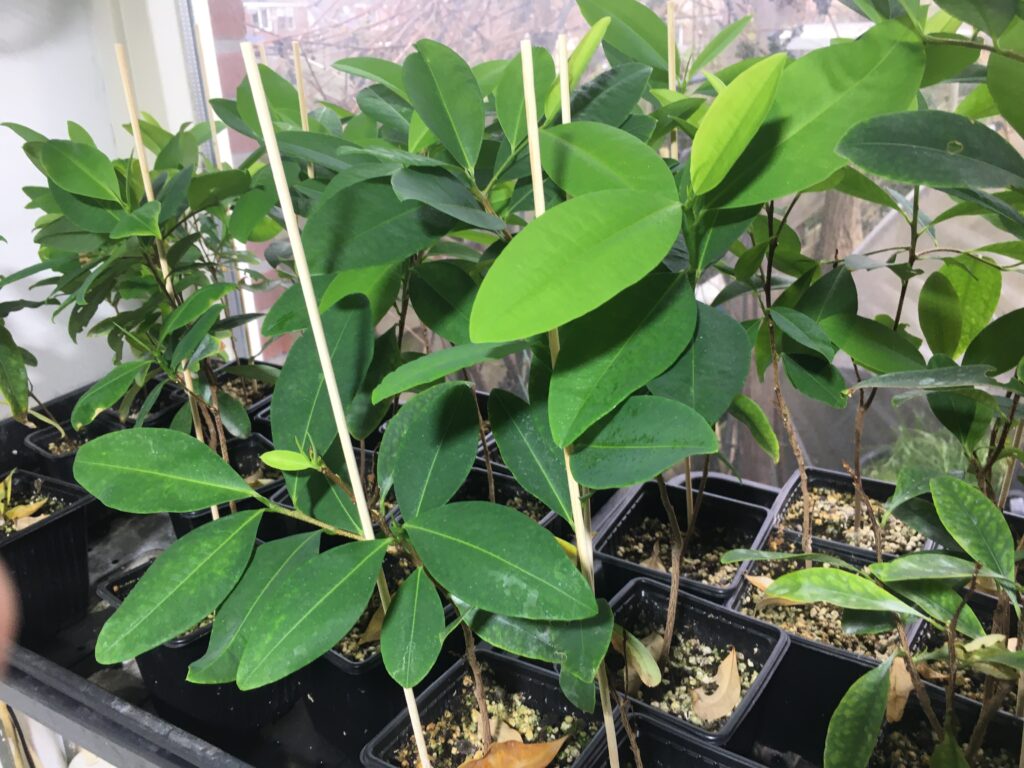
Erythroxylum coca is a tropical shrub belonging to the family Erythroxylaceae. Native to parts of the Andean region of South America, it has been studied by botanists for generations because of its distinctive morphology, ecological adaptations, and role within tropical ecosystems. Modern research focuses on taxonomy, genetics, plant physiology, conservation, and biodiversity rather than a single aspect of the species.
Taxonomy and Classification
The genus Erythroxylum contains hundreds of recognized species distributed across tropical and subtropical regions. Researchers use leaf characteristics, flower structure, fruit morphology, and molecular data to distinguish species and understand their evolutionary relationships.
| Kingdom | Plantae |
|---|---|
| Family | Erythroxylaceae |
| Genus | Erythroxylum |
| Species | Erythroxylum coca |
Natural Habitat
The species naturally occurs in warm, humid environments associated with the eastern slopes of the Andes. These regions are characterized by moderate temperatures, seasonal rainfall, and well-drained soils. Such environmental conditions have made the plant an interesting subject for studies of tropical adaptation and ecological diversity.
Scientific Interest
Researchers investigate Erythroxylum coca for numerous botanical reasons, including seed biology, reproductive strategies, plant anatomy, and environmental adaptation. Comparative studies with other members of the genus contribute to understanding the evolution of tropical plant species and their responses to changing climates.
Seed Biology
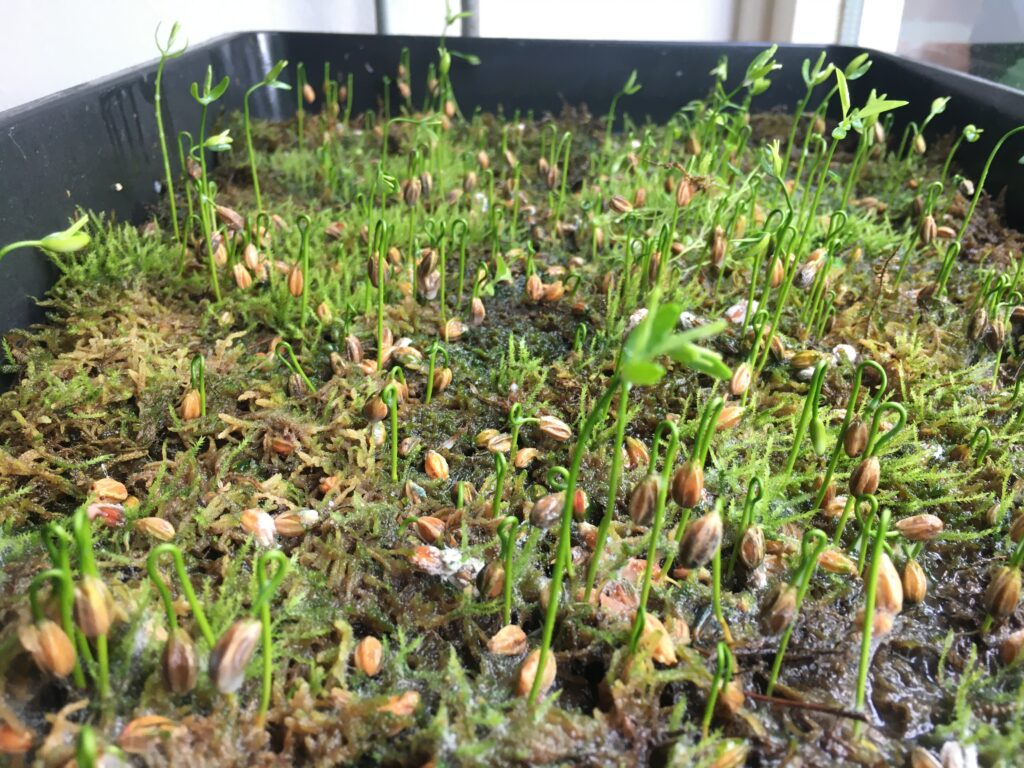
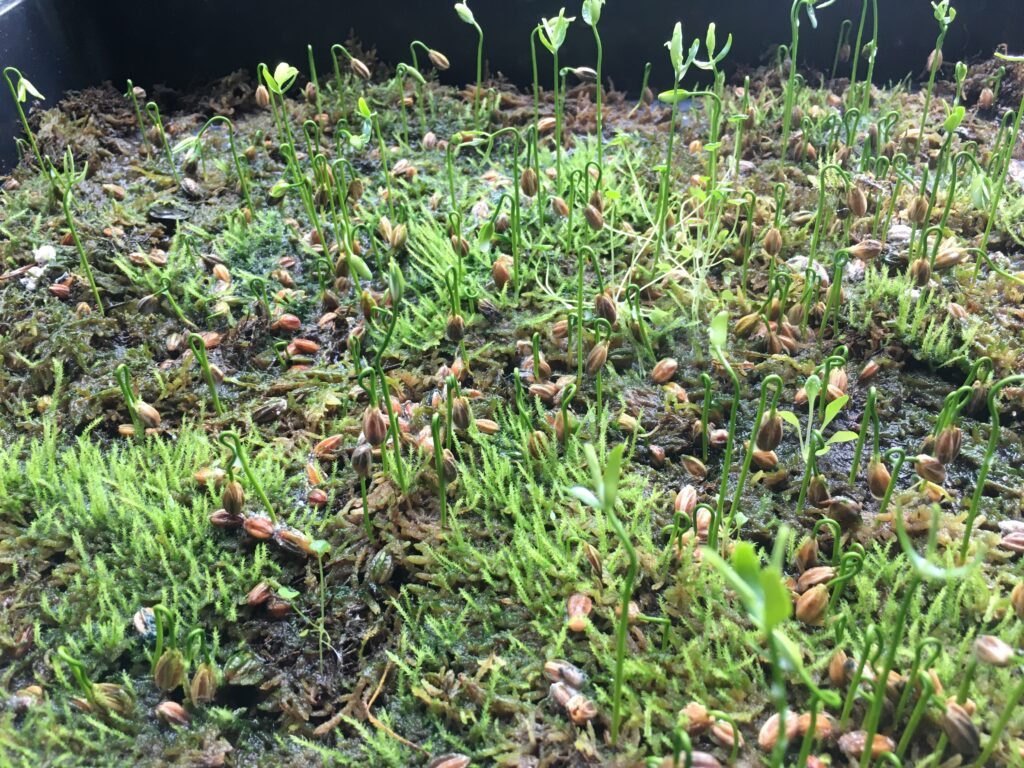
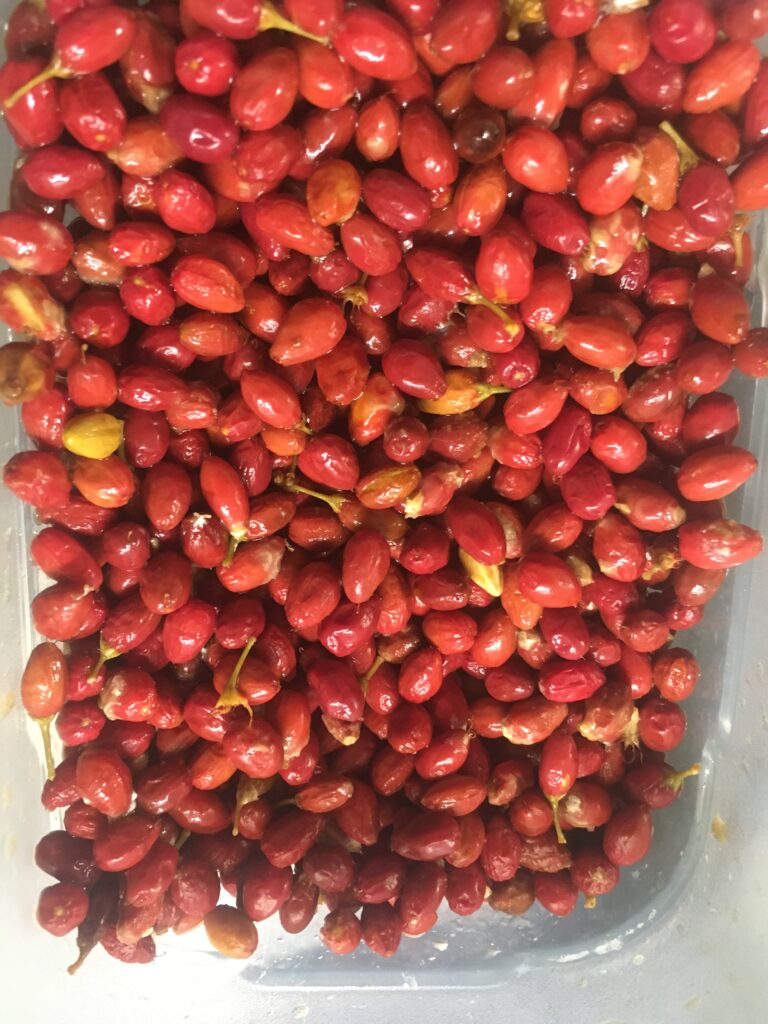
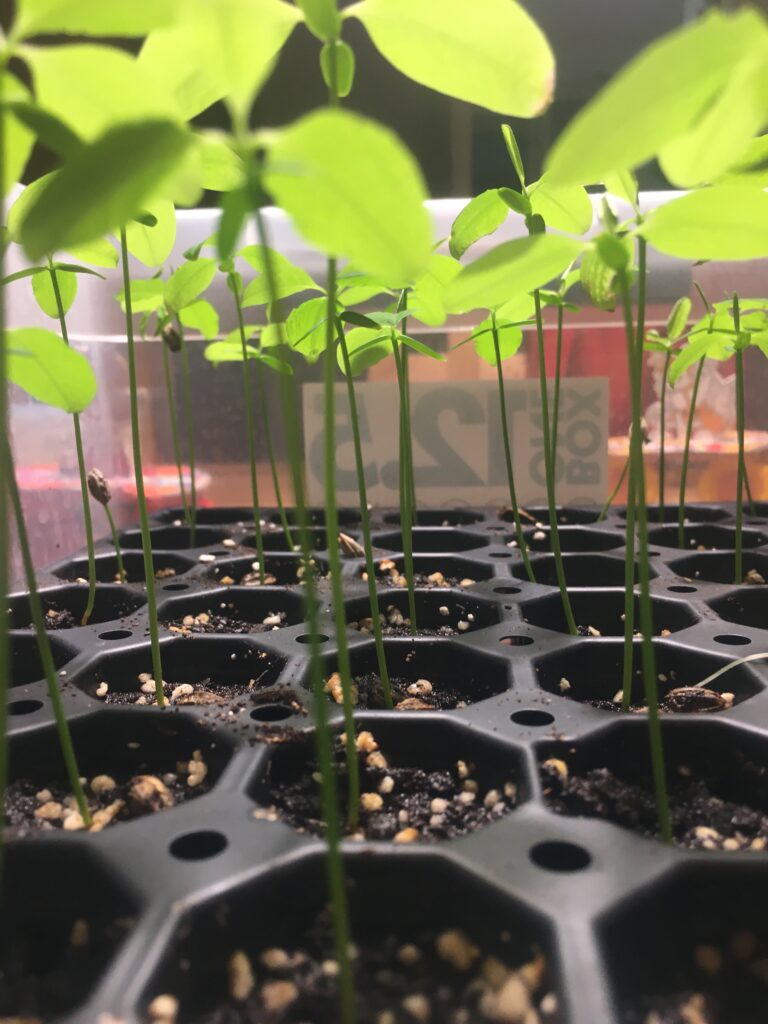
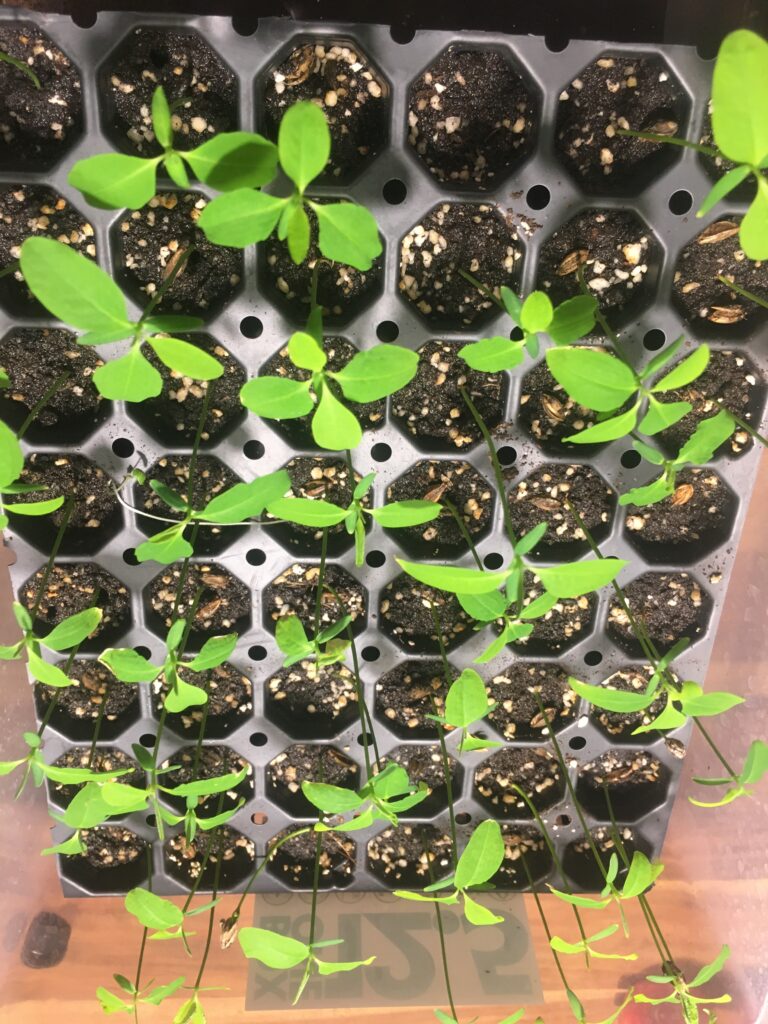
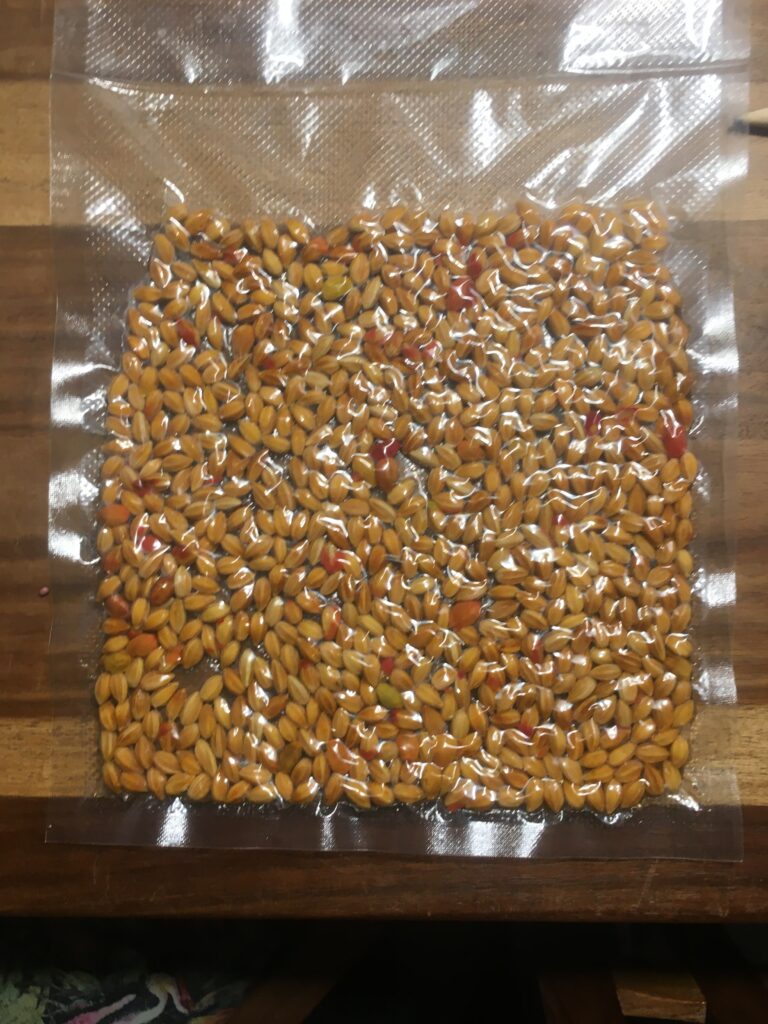
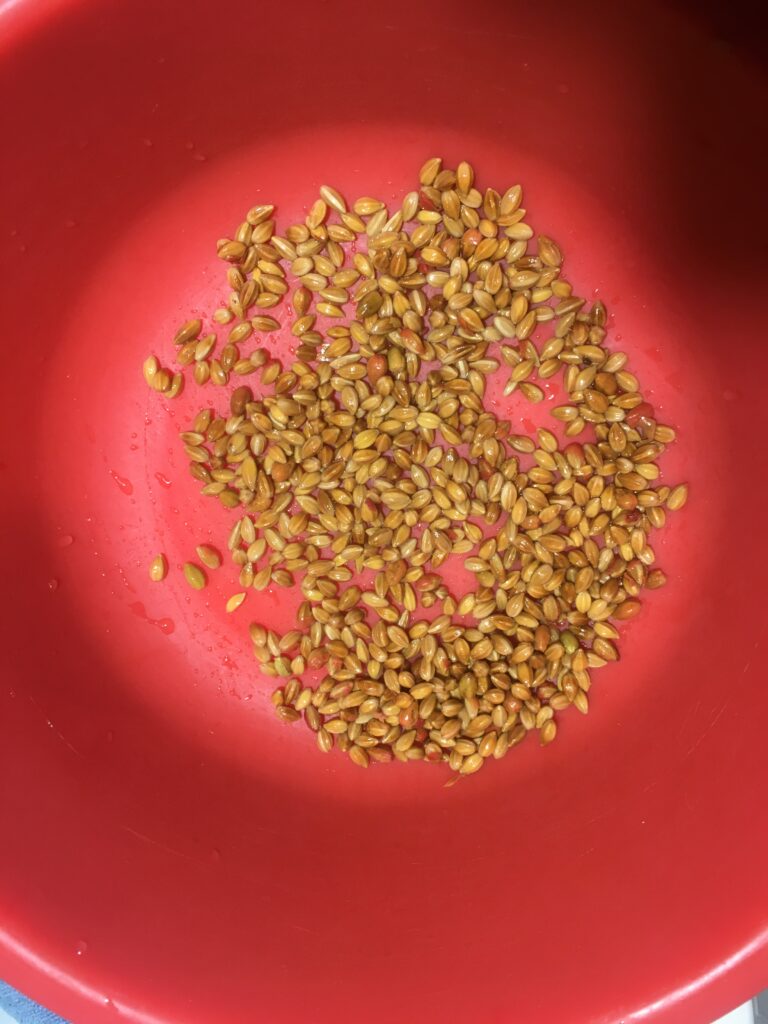
Like many tropical plants, seed characteristics vary depending on environmental conditions and genetic diversity. Botanical studies often examine seed morphology, viability, germination patterns, and storage behavior to better understand reproductive ecology and conservation practices.
Conservation and Botanical Collections
Living collections, seed banks, and herbarium specimens play an important role in preserving plant diversity. Scientific institutions and botanical gardens maintain documented collections to support taxonomy, conservation planning, and educational activities. These collections provide valuable reference material for future research.
Frequently Asked Questions
Why do botanists study Erythroxylum coca?
The species offers insights into tropical plant evolution, ecology, genetics, and taxonomy. It is also useful for comparative studies within the Erythroxylum genus.
What makes the genus Erythroxylum significant?
Its diversity and broad geographic distribution make it valuable for understanding plant adaptation and biodiversity in tropical ecosystems.
Conclusion
Erythroxylum coca remains an important species for botanical education and scientific research. Studies of its taxonomy, ecology, reproductive biology, and conservation contribute to a broader understanding of tropical plant diversity and the evolutionary history of the Erythroxylum genus.


Thank you for choosing NL Botany. I truly appreciate your trust and look forward to supporting your botanical research journey.
Frank
Founder, NL Botany