
The Erythroxylum Genus: Taxonomy, Diversity, and Botanical Research
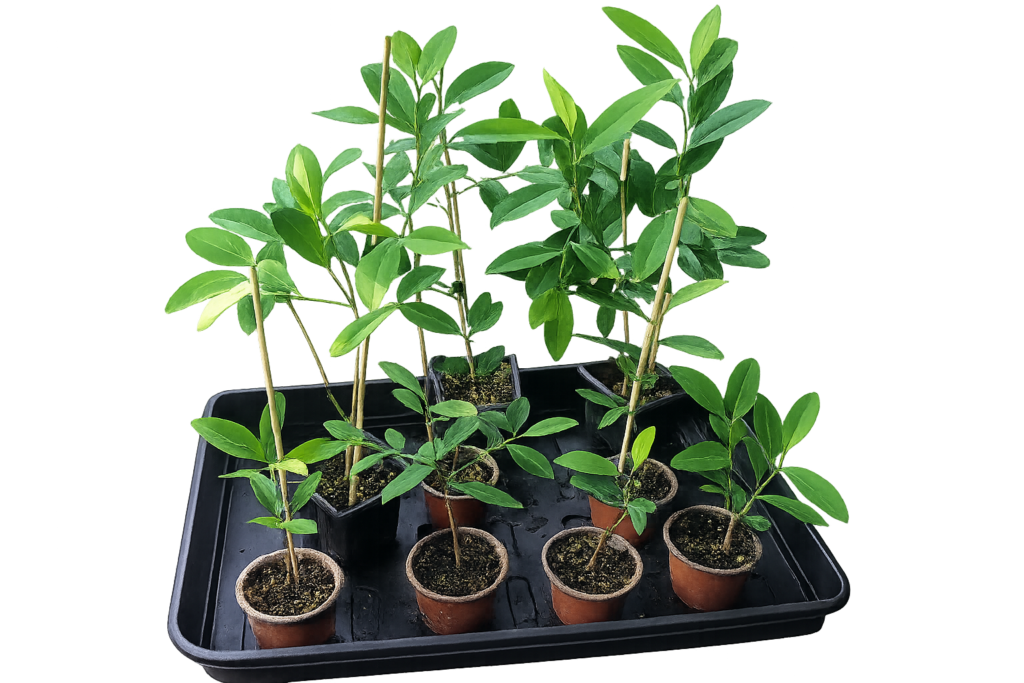
The genus Erythroxylum comprises numerous woody shrubs and small trees distributed throughout tropical and subtropical regions. Botanists study this genus to better understand plant evolution, biodiversity, ecological adaptation, and tropical forest ecosystems.
Taxonomy
Erythroxylum belongs to the family Erythroxylaceae. Modern classification combines traditional morphological observations with molecular phylogenetic analyses to clarify relationships among species.
Global Diversity
Species within the genus occur in South America, Central America, Africa, Madagascar, and parts of Asia. Their diversity reflects long evolutionary histories and adaptation to a range of tropical habitats.
Morphological Characteristics
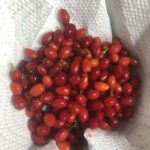
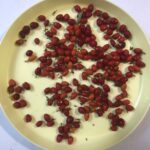
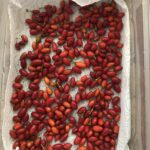
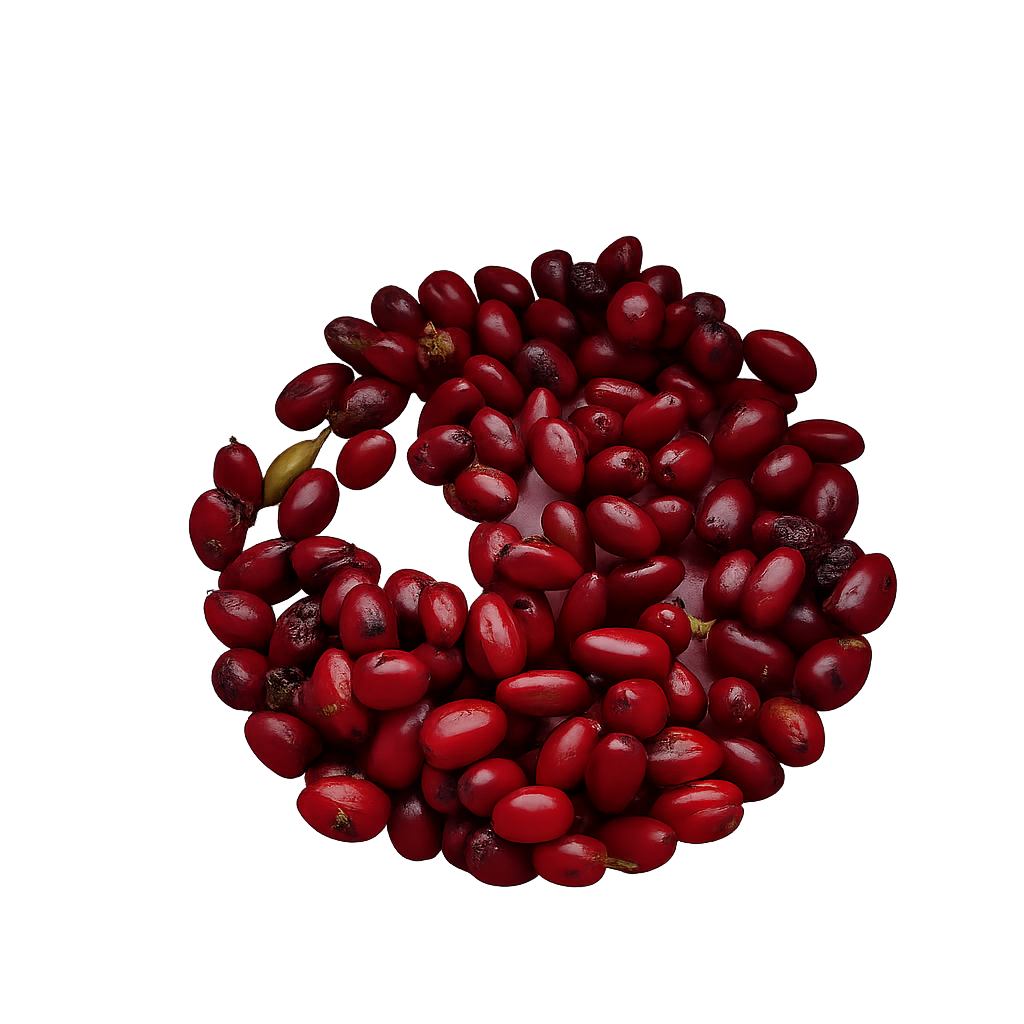
Members of the genus generally possess simple leaves, small flowers, and berry-like fruits. Differences in floral structure, leaf venation, and fruit morphology help taxonomists distinguish closely related species.
Botanical Research
Current research examines taxonomy, ecology, genetics, reproductive biology, conservation, and responses to environmental change. Herbarium collections, botanical gardens, and field studies all contribute to expanding scientific knowledge of the genus.
Frequently Asked Questions
How many species belong to the genus?
Botanists recognize hundreds of described species, with ongoing taxonomic revisions.
Why is the genus important?
It provides valuable insight into tropical biodiversity, plant evolution, and ecosystem adaptation.
Where are Erythroxylum species found?
They occur across tropical and subtropical regions of several continents.